
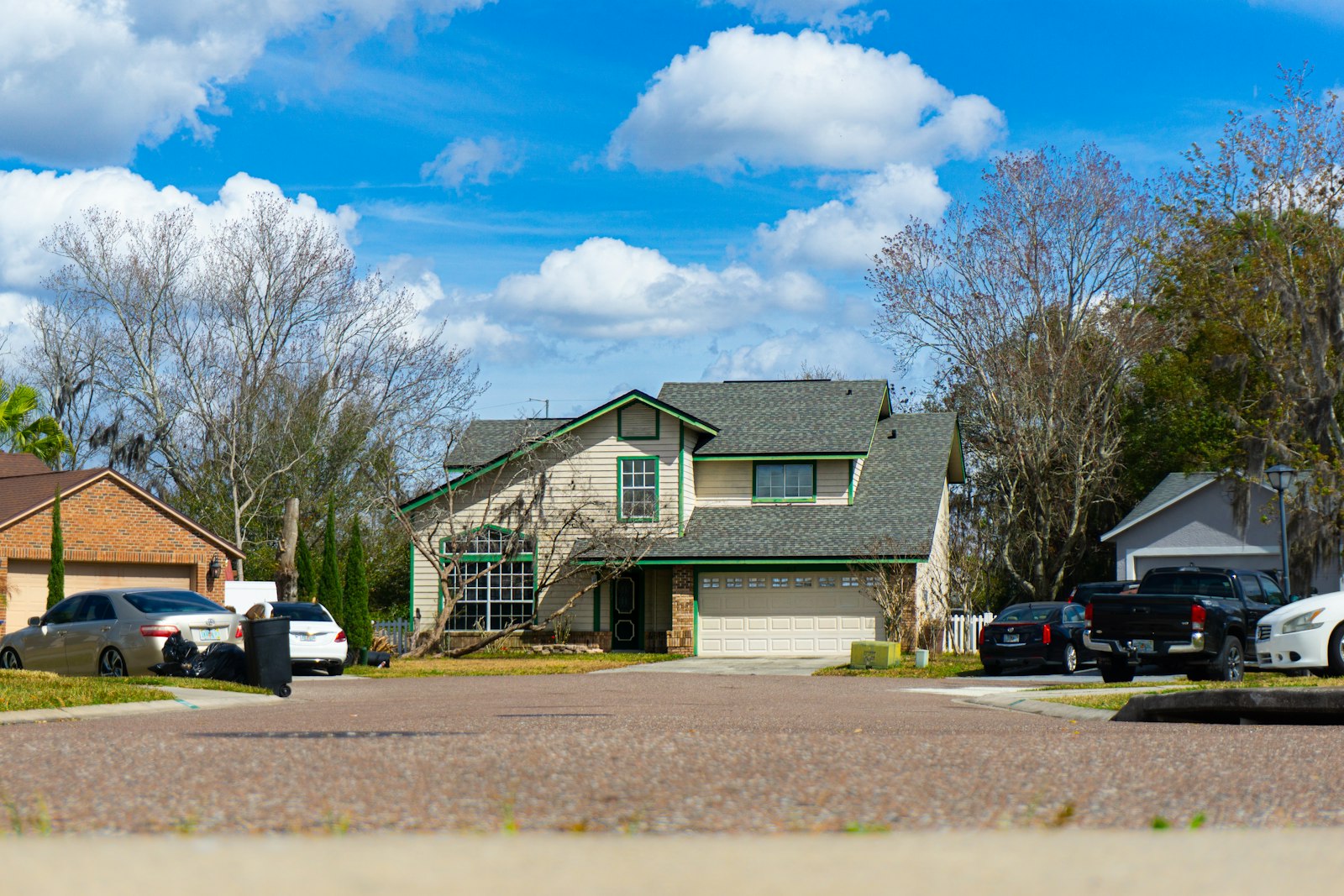
Two homes can both have a Laurel mailing address, stand ten minutes apart, and still fall under different county offices for permits and inspections. That surprises many homeowners, and it matters most after water damage, when drying is finished and repair work is about to start. Emergency steps, such as stopping the water, extracting standing water and drying the structure, are about protecting the home. Repair steps, such as replacing sections of wall, electrical work, plumbing changes and rebuilding floors, can involve county rules, and the county that applies is decided by the exact location of the property, not by the city name on the envelope.
This guide explains why Laurel is split this way, what parts of a water damage job are usually affected, how to confirm which county covers your exact address, and what records to keep so that permit and insurance questions later are easy to answer.
Why Laurel crosses county lines
The incorporated City of Laurel sits in Prince Georges County. The wider Laurel postal area reaches further. Depending on the exact address, Laurel mail is delivered to homes that sit in Howard County toward Scaggsville, in Anne Arundel County toward Maryland City and Russett, and in a small section toward Montgomery County linked to the 20707 area. Postal ZIP codes were drawn for mail delivery, not for county government, so a ZIP code alone does not settle the county question. Two addresses that share 20723, for example, still need an exact address check before anyone assumes which county office applies.
That split is not a technicality. Counties run their own permitting and inspection offices, their own application portals, and their own rules for when a permit is needed. A repair plan that is correct for a Prince Georges County address may need a different application, a different inspection sequence, or different paperwork a few streets away.
Which parts of the job the county question affects
Drying itself is measurement work. Moisture readings, extraction, air movement and dehumidification do not change from county to county, and they should start as soon as it is safe, without waiting for any office to open.
The county question usually appears at the repair stage. Examples include:
- Replacing or adding electrical circuits, panels or fixtures that were damaged by water.
- Plumbing repairs that go beyond a simple like for like fix, such as moving a line or replacing a section of supply or drain pipe inside a wall.
- Structural repairs, such as replacing damaged framing or subfloor sections.
- Rebuilding work that changes a wall, a ceiling or a finished basement layout.
- Work on a home that also sits in a historic area or near the Patuxent River floodplain, where extra reviews can apply.
Rules differ by county and by the exact scope of work, and they change over time. No guide can replace a check with the county that covers your address. What a guide can do is stop the most common mistake, which is starting repair work on the assumption that every Laurel address follows one set of rules.
How to confirm your county in a few minutes
- Use the exact property address, not just the ZIP code. County lookups and official maps work from the street address.
- Check an official source. County GIS maps and the Maryland assessment records for the property both show the county for a specific address. If the two disagree with what you expected, trust the address level record and call the county to confirm before filing anything.
- Note the county in the same file as your drying records. When a permit question comes up weeks later, you will not need to reconstruct the answer from memory.
- If your home is inside the incorporated City of Laurel, remember that city services and county permitting are related but not identical. Some questions go to the city, and some go to the county. Asking which office owns the question at the start saves a wasted application.
- For homes near a county boundary, confirm before a contractor files. A filing in the wrong county is not a small delay. It can mean withdrawing, refiling and repeating inspections.
Records that make permits and insurance easier
Whether or not your repair needs a permit, a clean record of the drying job protects you. Keep the following together in one folder, digital or paper:
- Photos and short videos from before cleanup, showing where the water entered and what it reached.
- The date you found the water, the source if known, and when extraction started.
- Moisture readings from the start of drying and from the final check, with the locations where they were taken. Our guide on how long structural drying takes explains what those readings mean and why they matter.
- A plain list of materials that were removed, such as a section of drywall, carpet padding or insulation, and why each one could not be dried in place.
- Invoices and work notes that separate the emergency drying work from the later repair work. Permit and insurance reviewers both find that separation helpful.
- The county confirmation for your exact address, noted with the date you checked it.
This record answers most follow up questions without argument. It also helps a second contractor, an adjuster or a county inspector understand what happened in the home before they arrived.
Questions to ask before repair work starts
- Which county covers this exact address, and how did you confirm it?
- Does any part of this repair scope need a permit in that county?
- Who files the application, and who schedules the inspections?
- What has to stay open, without new drywall or flooring over it, until an inspection is done?
- Will the drying records and photos be handed over as one complete set at the end of the job?
Clear answers here prevent the most expensive Laurel specific mistake, which is finished repair work that has to be reopened because it was filed, or not filed, in the wrong place.
When to treat the situation as urgent
County questions can wait until the home is safe and drying has started. They cannot make an urgent water problem less urgent. Treat the situation as urgent if water is still entering, if it came back through a drain or toilet, if a sump pump has failed during continuing rain, or if water may have reached electrical fittings. In those cases, start with our emergency water damage page, or call Laurel Water Damage Restoration on (301) 368-8622. The site serves Laurel addresses in ZIPs 20707, 20708, 20723, and 20724.
Frequently Asked Questions
Use the service page below for the next step rather than relying on general guidance when water is active or spreading.