
A brown ring on the ceiling looks small. It is easy to tell yourself it can wait until the weekend, or until the next dry spell. In Laurel, that is usually the wrong call. The stain is the last place the water arrives, not the first. By the time a ceiling shows a mark, water has already passed through the roof, the deck, the insulation, and the back of the drywall. The National Weather Service precipitation record for BWI lists a 1991 to 2020 annual normal of about 45 inches of rain, and Laurel gets its share in heavy fall storms and summer downpours. A roof that leaks in one storm will leak worse in the next one.
This guide covers the roof leak the way it actually plays out inside a Laurel home: what to do in the first hour, how water travels from the roof to the ceiling, what has to be cut out and what can dry, and what to document for your insurer. It is general information, not roofing advice and not legal advice. Roof work belongs to a roofer, especially while the weather is still bad.
First Hour: Safety Before Cleanup
A ceiling leak is different from a floor leak because the water is above you. Start with safety, not with a bucket.
If water is dripping near a light fixture, a ceiling fan, or any wiring, turn off the breaker for that room before you touch anything wet. Water and electricity are a dangerous combination, and a wet fixture can stay live even when the light is off. Do not touch a wet switch or a wet fixture.
If the ceiling is sagging, bulging, or bubbling, stay out from under it. A bulge means water is pooling behind the drywall, and a section of ceiling can come down without much warning. Move furniture and valuables out of the way, put a bucket underneath, and keep people and pets clear. A small, controlled drain hole with a bucket underneath is what professionals use to release pooled water, but if you are not sure where the framing is, or the bulge is growing fast, do not poke at it yourself. Call for help and let someone with the right tools handle it.
If the leak is still active and rain is still falling, you cannot turn off rain the way you turn off a burst pipe. Your job in the first hour is to limit the damage inside: buckets under the drips, plastic sheeting over furniture and electronics, towels at the edges, and photos of everything before you move it. Our first hour guide for Laurel covers the same order of actions for any sudden water loss, and the same rule applies here: protect people first, protect belongings second, and document everything before cleanup.
Do not go up on the roof during a storm, in the dark, or on a wet or icy roof. That is roofer work, and it can wait until the weather clears. A roofer can also put up an emergency tarp if the opening is large, which is the fastest way to stop more water coming in.
How Water Travels From the Roof to the Ceiling
The stain on your ceiling is rarely directly below the leak. Water runs along roof sheathing, rafters, pipes, fasteners, and insulation before it finds a place to come through. A failed shingle or a cracked pipe boot on one side of the roof can show up as a stain several feet away, sometimes in a different room.
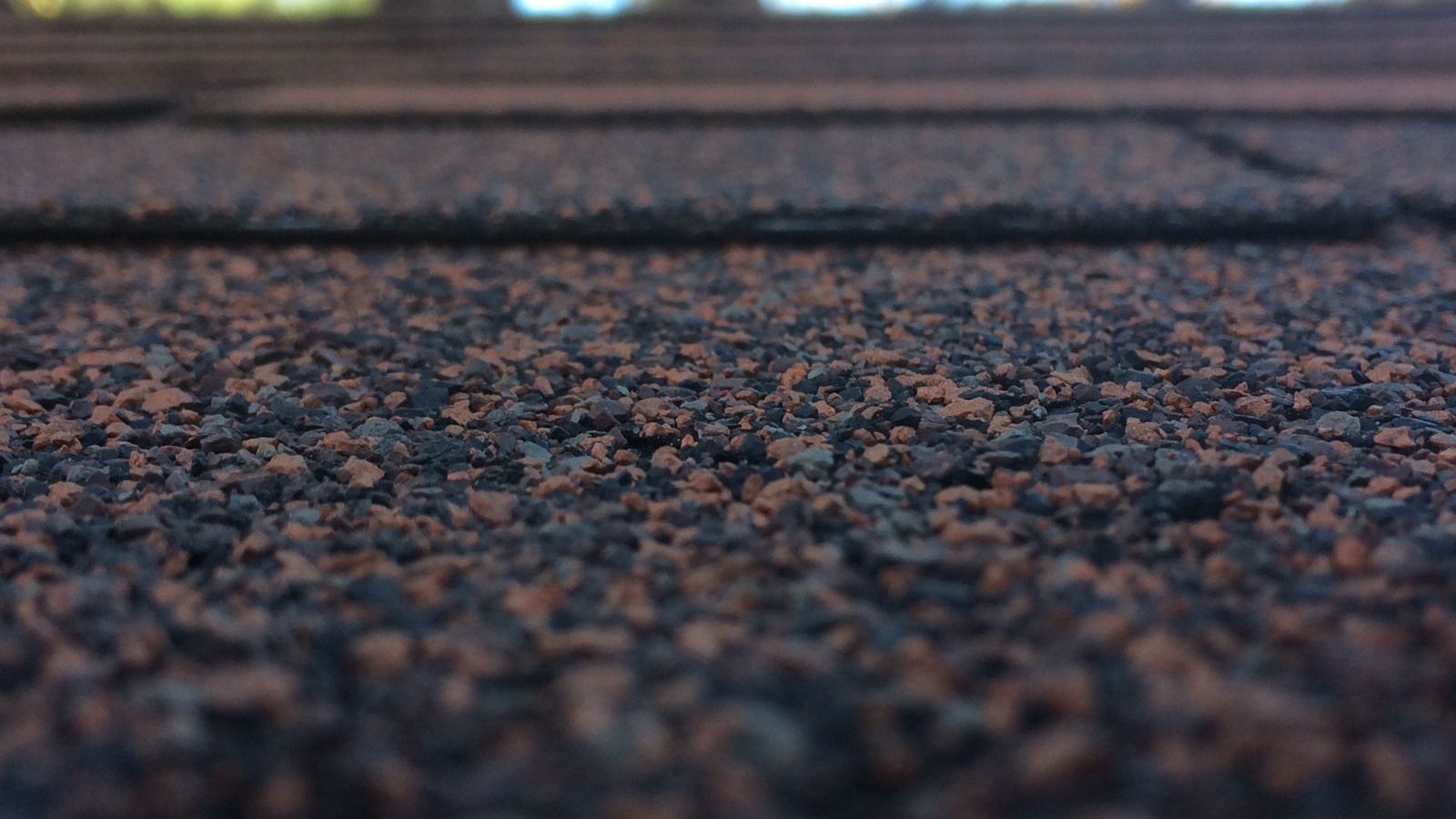
On the asphalt shingle roofs common across Laurel, the usual entry points are damaged or missing shingles, worn valleys where two roof planes meet, and failed flashing around chimneys, dormers, skylights, sidewalls, and plumbing vents. A cracked pipe boot collar is easy to miss from the ground and is one of the most common slow leaks. Clogged gutters and downspouts make everything worse: when water cannot drain, it backs up under the edge of the roof and finds its way inside. Laurel has heavy tree cover, and gutters full of leaves are a routine cause of leaks that look like roof failures.
Wet insulation makes the problem worse. Fiberglass and cellulose insulation can hold water against wood and drywall for days. Repeated wetting discolors and blisters the drywall facing, softens the gypsum core, loosens joint compound, and peels paint. A stain that keeps growing, or that returns after you paint over it, is telling you the source is still open and the material behind the ceiling is still wet.
This is also why repainting a stain is not a repair. Paint covers the mark, but it does not stop the water, and it does not dry the insulation or the deck behind it. The source has to be fixed first, the wet material has to be dried or removed, and only then does the ceiling get finished.
Laurel Specifics: Storms, Ice, Townhomes, and Older Roofs
Laurel is not a desert and not a mountain town. Its roof leaks follow a local pattern, and knowing it helps you find the source faster.
Heavy fall storms and summer downpours do most of the damage. A single storm can drive rain under shingles that held fine in light rain, especially on older roofs in West Laurel and the older sections of town, where 1960s and 1970s housing stock is common. Flat and low slope sections, porch roofs, and additions are the first places to check, because water sits on them longer and flashing failures show up there first.
Winter brings a second pattern. Ice dams form when heat from the house melts snow on the roof and the water refreezes at the colder eave, backing up under the shingles. The ceiling stain that appears after a thaw is often an ice dam leak, not a plumbing leak. Our Laurel winter freeze guide covers how freeze damage usually shows itself, and the same first hour discipline applies: stop the water if you can, protect the room, document, and do not climb on an icy roof.
Townhomes and condos add a shared roof question. In South Laurel townhomes and the condo communities around town, the roof is often common property, which means the association or the management company may be responsible for the roof itself while you are responsible for the interior damage. That split is exactly why documentation matters: photos of the stain, the date of the storm, and a written note of when you reported it. Our townhome and condo shared wall guide covers how shared structure questions play out in Laurel, and the same logic applies to a shared roof.
Patuxent River flooding is a different problem from a roof leak, and it needs a different response. If water came in at ground level during heavy rain, read our Patuxent River basement flooding guide and our flood risk guide before you assume the roof is the cause.
What to Check in the Attic, Safely
If you can get into the attic safely, it will often tell you more than the ceiling can. Go only in daylight, only when the attic floor is dry enough to walk on, and only where there is a solid walkway or joists to step on. Never step on the ceiling drywall itself, and never walk on wet insulation.
Look for water marks, stains, or discoloration on the underside of the roof deck and on the rafters. Follow the marks uphill, because water runs down, so the source is usually above the highest mark you can find. Check around every penetration: plumbing vents, the chimney, skylights, and any exhaust fan duct. Look at the insulation. If it is matted down, discolored, or wet to the touch, it has been holding water.
Do not move insulation with bare hands if you suspect mold, and do not disturb a large area of wet insulation yourself. Wet insulation usually has to be discarded and replaced, not dried in place, and the U.S. Environmental Protection Agency guidance on mold and moisture says the same. If the attic smells musty, or you see dark growth on the deck or the back of the drywall, stop and get a professional assessment. Our Laurel mold guide explains the 24 to 48 hour window and where mold hides after a sudden loss.
If you cannot get into the attic, or the attic is finished and sealed, do not force it. The ceiling itself will tell the story through readings, and a professional with a moisture meter can map the wet area without opening anything.
What Gets Cut and What Dries
Not every wet ceiling has to come down. The decision is based on readings and on what the material looks like, not on how bad the stain looks.
Drywall that is still firm, flat, and dry to the touch after the source is fixed can often stay. Drywall that sags, feels soft or spongy, crumbles at the edge, or has lost its shape has to be cut out. The gypsum core does not recover once it has been soaked through. A ceiling section that is holding water behind it is a collapse risk, and it comes down before it falls down.
Wet insulation is almost always removed. Cellulose and fiberglass insulation lose their insulating value when wet, hold moisture against wood and drywall, and are very hard to dry in place. The EPA guidance is clear that wet insulation should be discarded and replaced.
Framing and roof decking can usually dry, as long as the wood is structurally sound and the readings come back down. Drying takes time and air movement, and it has to be verified with moisture readings, not guessed by looking at the surface. Our guide on how long structural drying takes explains why a ceiling can look dry on the surface while the deck above it is still wet, and why readings are the only honest check.
The order matters. First, stop the leak at the roof. Next, find out what is wet and how far the water spread. Then dry what can be dried and remove what cannot be saved. Ceiling finishing comes last, and only after the assembly is dry. Do not prime or paint until the source is corrected and the ceiling is dry, or the stain will bleed through the new paint within days. A stain blocking primer is the right product when the time comes, but it is the last step, not the first.
What to Document for Insurance
A roof leak claim is won or lost on documentation, and the best time to document is before anything is cut out or repaired. Our insurance claims guide for Laurel walks through the whole process, but the roof leak version is short.
Photograph the stain from across the room, then close up, then the attic marks if you can reach them safely. Photograph the roof from the ground if the damage is visible, and keep the date of the storm. Write down when the stain first appeared, whether it grew during a specific storm, and what you did in the first hour. Keep receipts for any emergency work, such as tarping, and keep damaged material until the adjuster has seen it or your insurer tells you in writing that you can dispose of it.
The most common question an adjuster will ask is whether the leak was sudden or long term. A roof that leaked in a single storm is a different claim from a roof that has been missing shingles for two seasons. That is why the storm date and the first appearance date matter so much. If the roof was already worn, the policy may pay for the interior damage but not for the roof itself. That distinction surprises many homeowners, and it is worth understanding before the adjuster arrives.
If the leak came from an upstairs bathroom instead of the roof, the claim is different again, and our appliance leaks guide covers the fixtures that fail most often in Laurel homes.
Prevention Checklist for Laurel Roofs
Most roof leaks give warning before they become ceiling stains. A short checklist twice a year catches most of them.
Clean gutters and downspouts in spring and again after the leaves fall. Laurel gutters clog fast, and a clogged gutter is one of the cheapest leaks to prevent. While you are there, check that downspouts carry water away from the foundation, not into it.
Look at the roof from the ground after every major storm. Missing shingles, lifted flashing, and debris in the valleys are all visible with binoculars. If you see a shingle on the lawn, the roof has a hole, even if the ceiling does not show it yet.
Check pipe boots and flashing around vents, chimneys, and skylights. A cracked rubber boot is a small, cheap fix when it is caught early, and a slow leak when it is not. If your roof is more than 15 years old, have a roofer inspect it once a year, and ask specifically about valleys and flashing, not just shingles.
Check the attic twice a year, once in summer and once in winter. Look for daylight through the deck, water marks on the rafters, and damp insulation. A five minute attic check in August is worth more than a ceiling repair in February.
If your home has a finished basement, remember that a roof leak and a basement leak are different problems with different causes. Our finished basement flooding guide covers the basement side, and the county rules guide covers what Laurel and the surrounding counties require when repair work needs a permit.
Frequently asked questions
A stain that grows during or right after rain, and that is worse after a heavy storm, usually points to the roof. A stain that grows when a fixture above is used, such as a shower or a toilet flush, usually points to plumbing. Check the attic if you can: roof leaks leave marks on the deck and rafters, while plumbing leaks leave marks around pipes and fixtures. If the stain is under a bathroom, start with the fixture. If it is under the roof slope with no plumbing above it, start with the roof.
No, not until the source is fixed and the ceiling is fully dry. Painting over a damp stain traps moisture behind the paint, and the stain will bleed through within days or weeks. The right order is to fix the roof, dry or replace the wet material, verify with readings, and only then prime with a stain blocking primer and repaint. A stain that returns after painting is proof the source is still open.
A sagging ceiling is a warning, not a decoration. It means water is pooling behind the drywall, and a section can come down without much warning. Stay out from under it, move furniture and valuables away, put a bucket underneath, and turn off the breaker if there is a light fixture nearby. A professional can drain it safely with a small controlled hole. Do not stand under a bulging ceiling to poke at it yourself.
It depends on the cause and on your policy. A sudden leak from a single storm is often covered for the resulting interior damage, while a leak from a roof that has been worn or unmaintained for years is often treated as a maintenance issue. Flood damage needs separate flood insurance. Document the storm date, the first appearance of the stain, and everything you did in the first hour, and read your own policy before the adjuster visit. Our Laurel insurance claims guide covers the process step by step.
It depends on how much water got in, what materials are wet, and how much air movement the space gets. Surface drywall can feel dry in a day or two while the insulation and deck above it are still wet, which is why readings matter more than touch. Wet insulation is usually removed rather than dried. The EPA guidance is to dry water damaged areas within 24 to 48 hours to help prevent mold growth, and our structural drying guide explains what readings to expect and why the number matters more than the calendar.
Related Laurel guides
- Laurel burst pipe: first hour steps
- Laurel winter freeze and frozen pipes
- Laurel mold after water damage
- Laurel water damage insurance claims
- Laurel townhome and condo shared wall water damage
- Laurel finished basement flooding: save, cut, dry
- Laurel appliance leaks: washing machine, dishwasher, water heater
- Signs of hidden water damage
- How long does structural drying take
- Laurel county rules for water damage repair
- Laurel Patuxent River basement flooding
- What to do after water damage in Laurel, MD
Use the service page below for the next step rather than relying on general guidance when water is active or spreading.